
For teachers
Lesson plan: «Duérmete, mi niño»
Children listen to «Duérmete, mi niño» (“Go to Sleep, My Child”) with the lights low, rock a doll to the song’s slow beat and hear their own name in it, as a signal that rest time is coming.
- Ages
- Up to age 3
- Time
- 20 minutes
- Areas
- Music and creative expression · Attention and self-control · Getting along and feelings
Opening
- Sit in a circle, each child with a doll, and ask softly: «¿Cómo arrullamos a un bebé?» (“How do we rock a baby to sleep?”). Let each child show how they rock theirs.
- Watch the video once, together, with the volume low, to hear the whole song. Then turn the screen off.
Main activity
- Dim the lights and sing the first verse very slowly and softly, without the video, while everyone rocks their doll from side to side.
- Add gentle actions: hug the doll on «pedazo de mi corazón» (“piece of my heart”), draw a moon in the air when the song mentions it and open and close your fingers like a star on «te encendió una estrella» (“lit a star for you”).
- Sing with each child’s name instead of «mi niño» (“my child”): «Duérmete, Sofía, duérmete, mi sol…» (“Go to sleep, Sofía, go to sleep, my sunshine…”). Name several children each round, until everyone has heard their own.
- Put the dolls to bed together in the basket, then everyone lies down on their mat. Sing it again, slower and softer, while the adult walks quietly between the mats.
- Finish by humming the tune without words, softer and softer, until it fades into silence.
Closing
- Keep the lights low and the room quiet during rest time, with no screens: children who don’t fall asleep can rest with their eyes closed or look at a book on their mat.
- When they get up, talk softly: “What did the child in the song dream about? And what did you dream about?”
- At another time of day, color a page from the song’s coloring book: the moon, the star or the candy garden.
Materials
- A soft doll or stuffed animal for each child, with no small parts
- A basket to put the dolls to bed
- Nap mats
- A dim lamp, or the curtains drawn
Free on this site:
What to observe
- Rocks the doll slowly, to the beat of the song.
- Lowers their voice or hums along with the group.
- Smiles, looks up or responds on hearing their name in the song.
- Lies down and rests calmly for a while.
Adaptations
- With babies under one, sing it up close, looking into their eyes and rocking them in your arms, one at a time; for sleep, lay them on their backs in their crib, with no stuffed animals or loose blankets.
- For children who don’t speak yet or who use AAC, use the song’s pictogram sheet and point to «duérmete» (“go to sleep”), the moon and the star before dimming the lights, to announce that rest time is coming.
- For children who need to move less, they can rock the doll on their lap or in their chair; for those who need to move more before settling, sway side to side standing up before lying down.
- If the group speaks other languages, ask families for a lullaby from home and sing it too, in the same soft voice.
For families
Ask families to sing the song every night at the same time, with the lights low, screens off and their child’s name in it.
If you teach Spanish as a new language
- Teach the key words with gestures (TPR): «duérmete» (go to sleep: hands under your cheek), «luna» (moon), «estrella» (star), «corazón» (heart: hand on your chest), «noche» (night).
- Model one line at a time, softly, and let students echo it in a whisper: the repeated «Duérmete, mi niño» is easy to join in on.
- Ask either/or questions in Spanish with a picture from the coloring book: «¿Es de día o de noche?» (“Is it day or night?”) — «De noche», in a whisper.
ACTFL World-Readiness Standards: Communication (interpretive and interpersonal), Cultures (a traditional game is a cultural practice; the song, a cultural product) and Comparisons (Spanish sounds and words next to your students’ languages).
More lesson plans
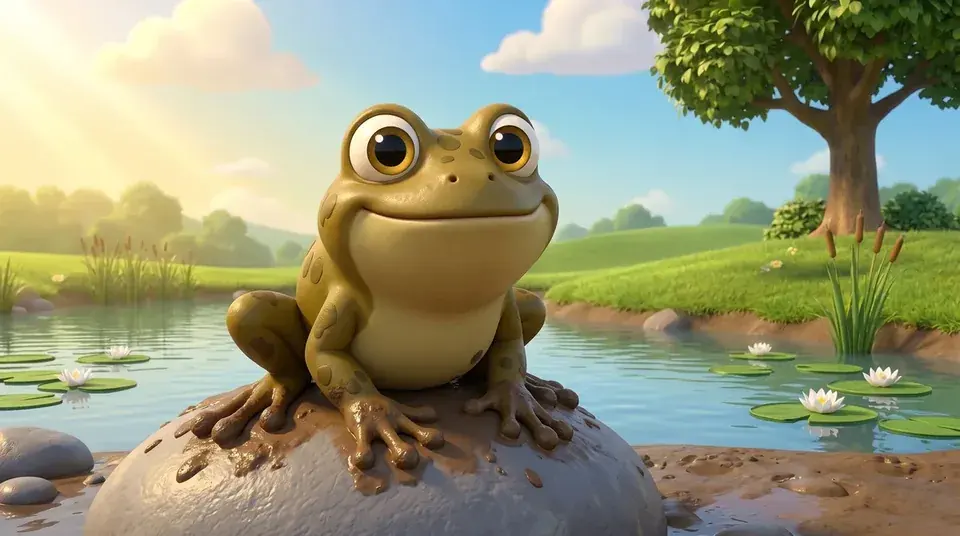 El sapo no se lava el pieAges 3–6 · 35 minutesLanguage and communicationMusic and creative expressionThe natural and social world
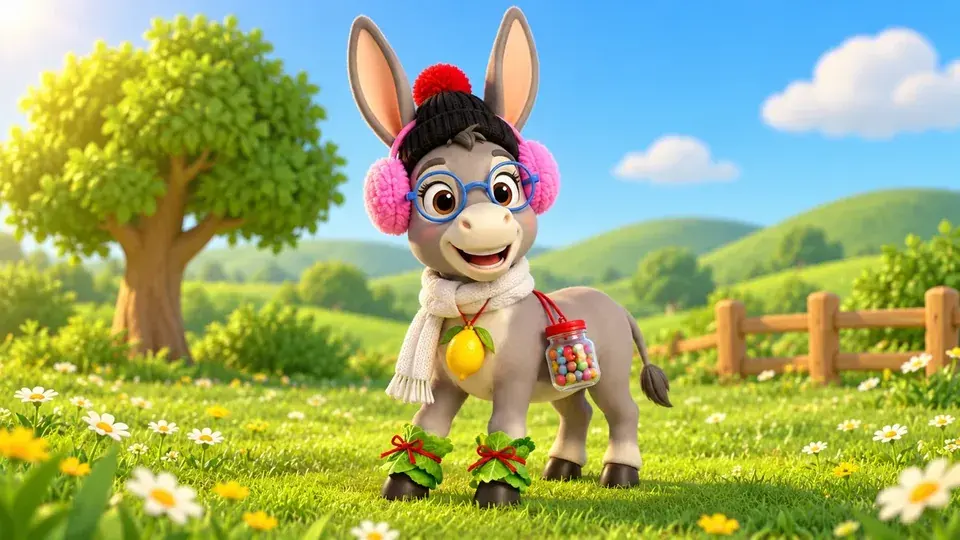 A mi burro le duele la cabezaAges 3–6 · 35 minutesLanguage and communicationMovement and the bodyGetting along and feelings
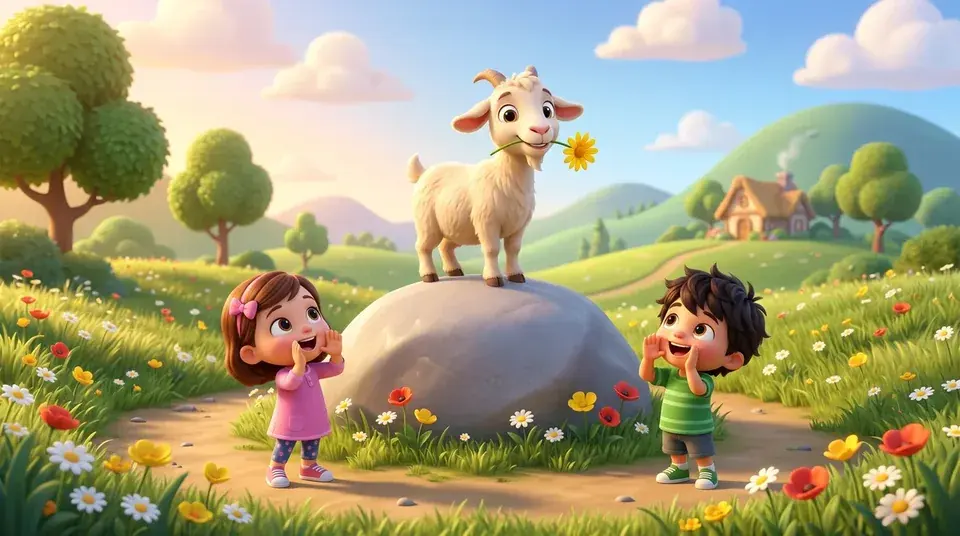 Sal de ahí, chivitaAges 3–6 · 35 minutesLanguage and communicationAttention and self-controlMusic and creative expression