
For teachers
Lesson plan: «El barquito chiquitico»
Children sing «El barquito chiquitico» (“The Teeny Tiny Boat”) counting from one to six on their fingers, move like little boats on the water and talk about trying again when something is hard.
- Ages
- Ages 3–5
- Time
- 30 minutes
- Areas
- Numbers and counting · Movement and the body · Getting along and feelings
Opening
- Show a paper boat and ask: «¿Qué es? ¿Dónde navega? ¿Qué pasa si no sabe navegar?» (“What is it? Where does it sail? What happens if it doesn’t know how to sail?”). Welcome every idea.
- Ask what was hard for them to learn, like putting on their shoes, hopping on one foot or washing their hands, and what they did to manage it. Draw two or three answers on the board.
- Watch the video once, together, to hear the whole song. Then turn the screen off.
Main activity
- Sing the first verse slowly, without the video. Cup your hands like a little boat and rock it from side to side; on «que no sabía navegar» (“that didn’t know how to sail”), shake your head no.
- On «un, dos, tres, cuatro, cinco, seis semanas» (“one, two, three, four, five, six weeks”), count on your fingers, one at a time. Pause before each number so the group says it.
- On «y aquel barquito navegó» (“and that little boat sailed”), sail your boat through the air. Then stand up and sail slowly around the room, rocking like little boats without bumping into anyone, and come back to your spot when the verse ends.
- Set the tray of water on a table and stay right beside it. Taking turns, each child blows on the boat to make it cross while the group counts from one to six. If it doesn’t reach the other side, they try again: «volveremos, volveremos a empezar» (“we’ll start, we’ll start all over again”).
- Sing it again and change the way you count the weeks: claps, little jumps or taps on your knees. Let the group choose the next one.
Closing
- Sing the last verse very slowly, rocking the boat in your hands until it rests still on your lap, as if it had reached the harbor.
- Talk about it: “What couldn’t the little boat do at the start? What happened after six weeks? What are you learning right now?”
- Color a page from the song’s coloring book, where the little boat is called Pipo, and ask each child to tell what Pipo is doing in their picture.
Materials
- Two or three paper boats, already folded
- A tray with a little water
- A towel for drips
- Crayons
Free on this site:
What to observe
- Counts from one to six on their fingers to the beat of the song.
- Says the next number during the pause.
- Sails around the room rocking, without bumping into others.
- Tries again when the boat doesn’t make it across the first time.
Adaptations
- With 2-year-olds, sit them on your lap and rock them like a little boat while you count on their fingers.
- For children who don’t speak yet or who use AAC, use the song’s pictogram sheet: it has a pictogram for each number from one to six.
- For children who need to move less, the boat sails in their hands or across the table, without getting up.
- If the group speaks other languages, count the six weeks in those languages too.
For families
Ask families to count to six together on their fingers and, at bath time, to sail a paper boat, always with an adult right there.
If you teach Spanish as a new language
- Teach the key words with gestures (TPR): «barquito» (little boat), «navegar» (to sail), «semanas» (weeks), and the numbers «un, dos, tres, cuatro, cinco, seis» (one to six).
- Model one line at a time and let students echo it: the song sings most lines twice, so everyone gets a second try right away.
- Hold up some fingers and ask «¿Cuántas semanas?» (“How many weeks?”); students answer with the number: «¡Seis!».
ACTFL World-Readiness Standards: Communication (interpretive and interpersonal), Cultures (a traditional game is a cultural practice; the song, a cultural product) and Comparisons (Spanish sounds and words next to your students’ languages).
More lesson plans
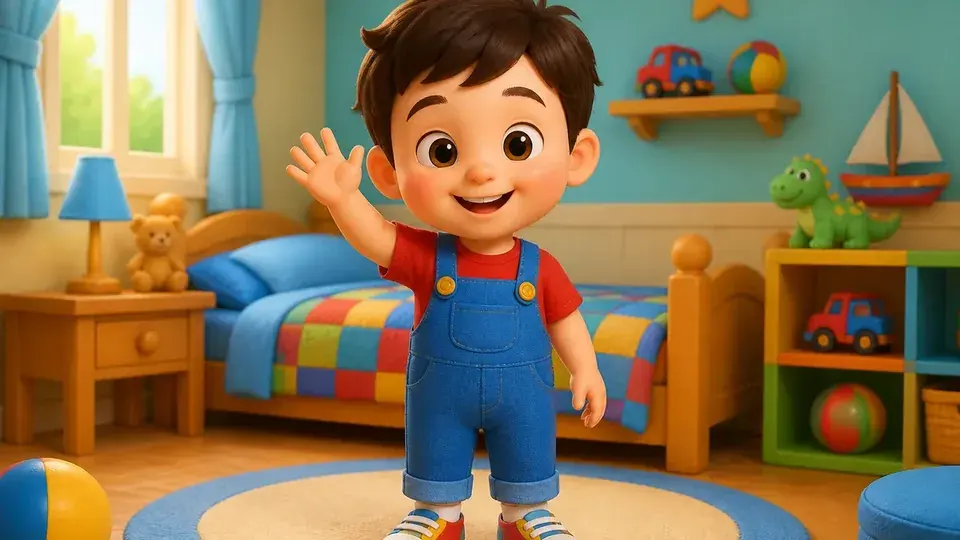 Pin Pon es un muñecoAges 2–5 · 25 minutesMovement and the bodyGetting along and feelingsLanguage and communication
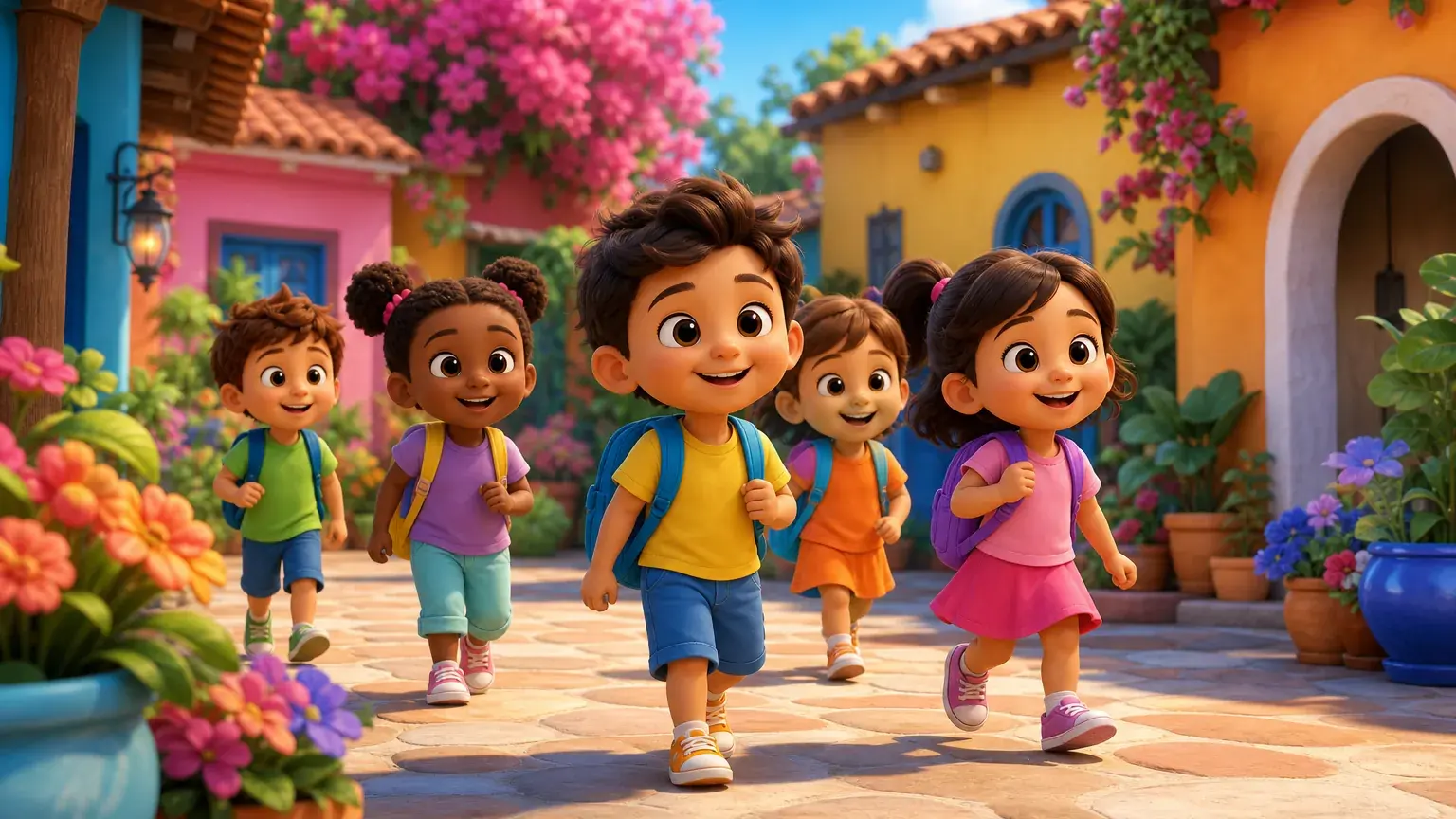 El patio de mi casaAges 3–6 · 30 minutesMovement and the bodyMusic and creative expressionGetting along and feelings
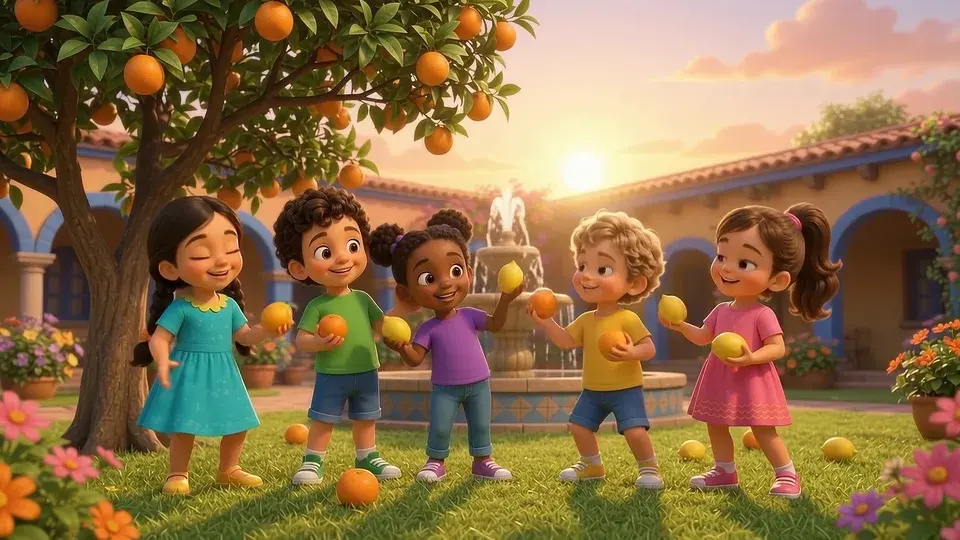 Naranja dulceAges 3–6 · 25 minutesGetting along and feelingsLanguage and communicationMovement and the body