
By topic
Spanish songs with actions
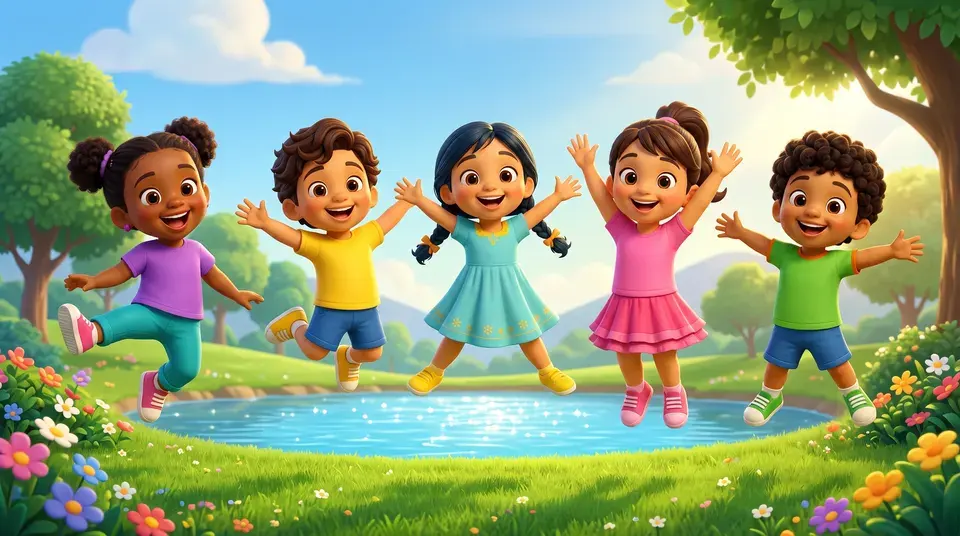
With actions, a song is sung with the whole body: even a child who doesn’t know the words yet can open and close their fingers on «pío, pío, pío» (“peep, peep, peep”). Here’s why actions are worth it, how to make them up together and how to adapt them for children who move less. Further down, each song comes with its actions.
Why actions help
An action gives your child a way to join in before they know the words, and it shows what each part is about: a pat on the tummy on «hambre» (“hungry”), a hug on «frío» (“cold”). It also signals what’s coming next, which can make it easier to come in on time.
Moving to music comes naturally: in a study with 120 babies aged 5 to 24 months, they moved more rhythmically to music than to someone talking, and the ones who matched the music best smiled the most. And keeping the beat works better together: in another study, children aged 2½ to 4½ drummed more in time with a person than with a machine.
Doing the action, not just watching it, counts too: in a small study with 20 French children around age 5 who were learning English words, those who repeated a gesture as they said each word could later say more of the words than those who learned them with pictures. Worth knowing if your family is learning Spanish.
Fingerplays and whole-body actions
Fingerplays use just the hands: the little beak in «Los pollitos dicen» (“The Little Chicks Say”), the rocking boat in «El barquito chiquitico» (“The Teeny Tiny Boat”), the comb in «Pin Pon es un muñeco» (“Pin Pon Is a Doll”). You can do them sitting down, on your lap, in the car or in a waiting room, and they give hands and fingers some practice. They’re a good place to start with the youngest, and for quiet moments.
Whole-body actions need room: crouching and jumping like frogs in «Cucú, cucú, cantaba la rana» (“Cucú, Cucú, the Frog Was Singing”), dancing with the doll in «Tengo una muñeca vestida de azul» (“I Have a Doll Dressed in Blue”) or touching each sore spot in «A mi burro le duele la cabeza» (“My Donkey Has a Headache”). Use them when kids need to move, after sitting for a while or before something calm, and finish with a slow round.
To teach a song with actions, sing slowly, face to face, one action at a time. Once your child knows it, pause just before the action so they can do it on their own; then you can speed up a little.
Make up actions together
There are no wrong actions: ask «¿cómo hace la tortuga?» (“what does the turtle do?”) and make your child’s idea the song’s action. In «Cucú, cucú, cantaba la rana», sing «Cucú, cucú, pasó un…» (“Cucú, cucú, along came a…”) and let your child decide who comes by and what they do; in «Los pollitos dicen», switch animals: «los patitos dicen cuac, cuac, cuac» (“the little ducks say quack, quack, quack”).
Take turns leading: the leader makes up an action and everyone copies it, then someone else leads. You can also play «Pin Pon dice» (“Pin Pon says”) with other routines, like brushing teeth. When the idea comes from your child, the song becomes theirs.
For children who move less
Every action has a seated version: a clap on each «cucú» instead of a jump, hands dancing on knees, arms instead of legs. If fingers are hard, the action can use the whole hand, the head, the eyes or the voice. What matters is joining in, not doing it exactly the same way.
With babies and children who need help, do the actions on their body, gently, watching whether they enjoy it: the little beak on their hand, a hug on «frío». A child with low vision can rest their hands on yours to feel the movement. For children who don’t speak yet or who use picture symbols, the pictogram lyric sheets for «Los pollitos dicen», «El barquito chiquitico», «Pin Pon es un muñeco» and «Tengo una muñeca vestida de azul» let them point to what comes next.
If your child needs more time, stick to one or two actions per song and repeat them without rushing. A familiar song with the usual actions is a good place to start.
Sources
- Zentner, M., & Eerola, T. (2010). Rhythmic engagement with music in infancy. Proceedings of the National Academy of Sciences. (opens external site)
- Kirschner, S., & Tomasello, M. (2009). Joint drumming: Social context facilitates synchronization in preschool children. Journal of Experimental Child Psychology. (opens external site)
- Tellier, M. (2008). The effect of gestures on second language memorisation by young children. Gesture. (opens external site)
How to play each one
Cucú, cucú, cantaba la rana
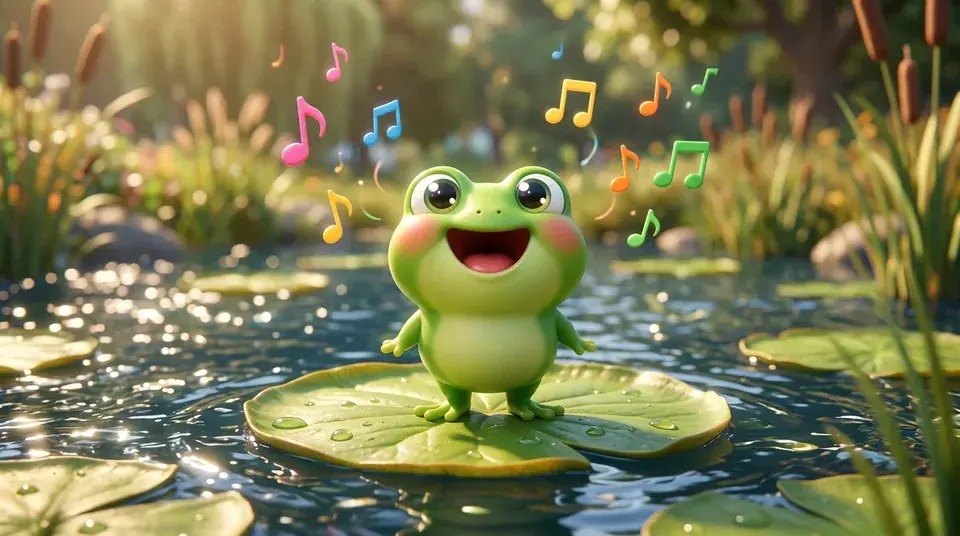
Whole-body actions: crouch like frogs, jump and act out each character who goes by; ages 2 to 5.
- Crouch down like frogs and give a little hop on every «cucú».
- Act out each character who passes by: the gentleman tips his hat, the kitten opens her little umbrella, the little bird sings softly, the turtle munches lettuce, and the puppy wags its tail.
- On «salieron las ranas, saltando en el agua» (“the frogs came out, jumping in the water”), everybody jumps!
Singing together: Pause before each «cucú» and let your child say it.
Los pollitos dicen
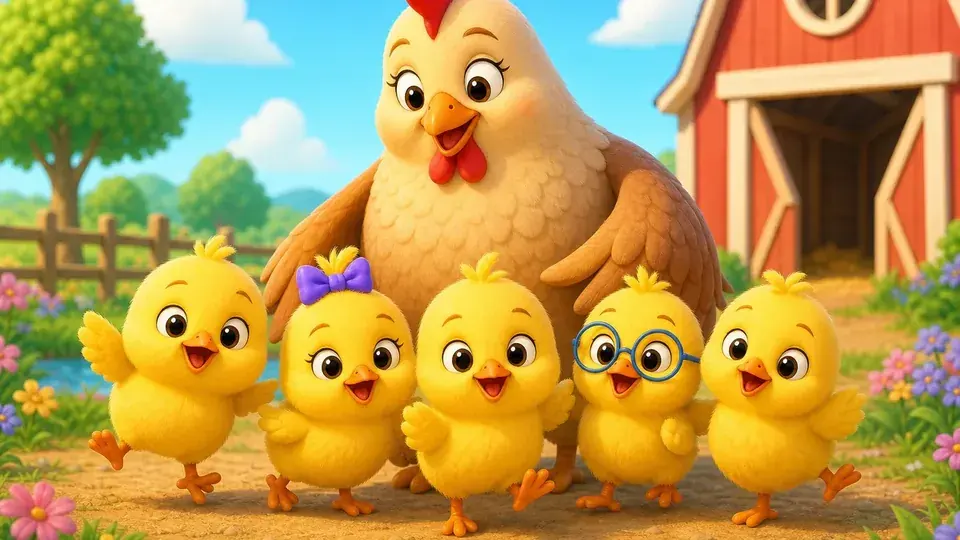
Simple hand actions, a good first song: on your lap from age 1, and up to age 4.
- On «pío, pío, pío», open and close your fingers like a little beak.
- On «hambre» (“hungry”), pat your tummy; on «frío» (“cold”), hug yourself and shiver.
- The hen «busca el maíz y el trigo» (“looks for corn and wheat”): peck the floor with your hand. On «les presta abrigo» (“keeps them warm”), open your arms like wings.
- At the end, «duermen calentitos» (“they sleep snug and warm”): put your hands together under your cheek and close your eyes.
Singing together: Sing «los pollitos dicen…» and wait: let your child say «pío, pío, pío».
A mi burro le duele la cabeza
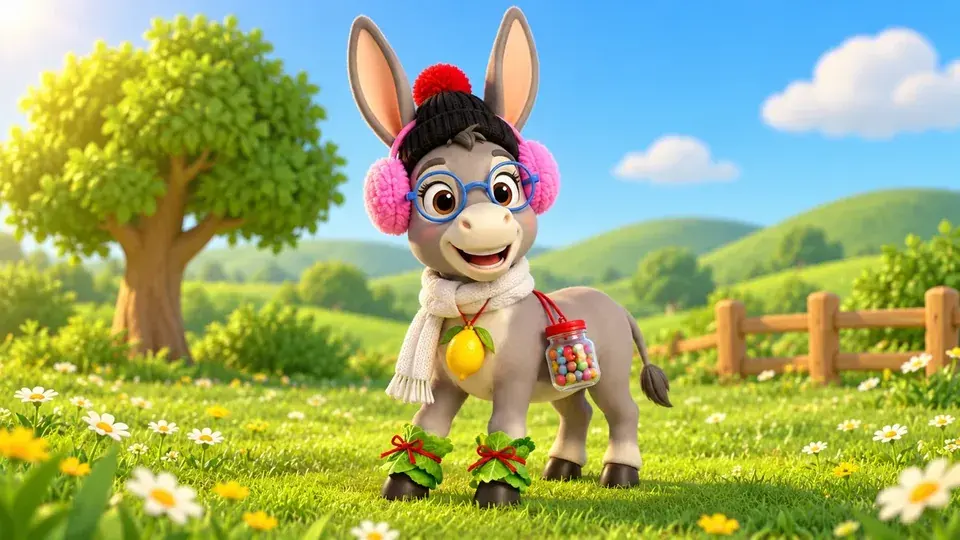
Touch each part of the body the song names, and each verse adds one more remedy to remember; ages 3 to 6.
- Touch each part of the body when the song names it: the head, the throat, the hooves (your feet!), the heart, the knees, the ears and the eyes.
- Each verse repeats the earlier remedies: see who can remember everything the doctor gave the donkey.
- Play doctor: one is the donkey and the other gives the pretend remedies, the cap, the scarf and the glasses.
Singing together: Before each verse, ask what hurts now and let your child point to it on their own body.
Tengo una muñeca vestida de azul
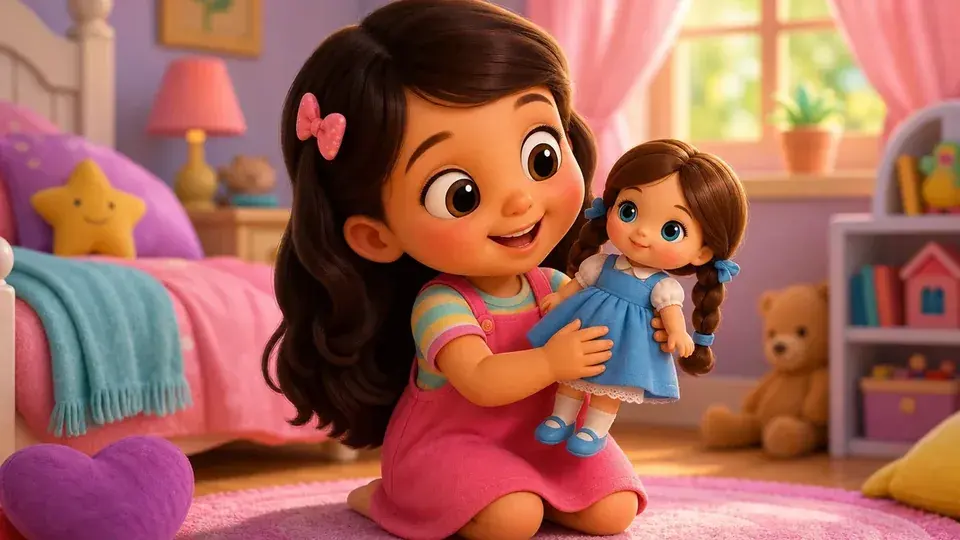
Actions with a doll or a stuffed animal: take her for a walk, sneeze, tuck her in and dance; ages 2 to 5.
- Find a doll or a stuffed animal and dress it in something blue.
- On «la saqué a paseo» (“I took her for a walk”), carry her around; on «se me constipó» (“she caught a cold”), pretend she sneezes: achoo!
- On «la tengo en la cama» (“she’s in bed”), lay her down and tuck her in.
- On «todas las muñecas salen a bailar» (“all the dolls go out to dance”), dance; on «se fue a acostar» (“she went to bed”), put her back to bed gently.
- At the end, give her a hug and tell her «sánate prontito» (“get well soon”).
Singing together: Ask what happened to the doll and let your child tell it in their own words.
El barquito chiquitico
A hand game: a little boat that rocks and six weeks counted on your fingers; ages 3 to 5, and with 2-year-olds, on your lap.
- Cup your hands like a little boat and rock it from side to side, as if it were on the water.
- On «un, dos, tres, cuatro, cinco, seis semanas» (“one, two, three, four, five, six weeks”), count on your fingers, one at a time.
- On «y aquel barquito navegó» (“and that little boat set sail”), sail your boat through the air or across the table.
- Afterwards, fold a paper boat and float it on a tray of water, with a grown-up close by.
Singing together: Count slowly and let your child say the next number.
Pin Pon es un muñeco
Miming washing your face, combing your hair and shaking hands, handy during everyday routines too; ages 2 to 5.
- On «se lava la carita» (“he washes his little face”), pretend to wash your face with soap and water.
- On «siempre se peina» (“he always combs his hair”), comb your hair with your hand.
- On «no llora ni hace así» (“he doesn’t cry or go like this”), pretend to cry, rubbing your eyes, then shake your head no.
- On «dame la mano con un fuerte apretón» (“give me your hand with a firm squeeze”), shake hands.
- Sing it while you really wash your face or comb your hair: the routine becomes a game.
Singing together: Pause before «jabón» (“soap”) and let your child finish the line.
More guides
 Spanish circle games and how to play themHow to play traditional Spanish circle games with kids: making the ring, taking turns, kind forfeits and including everyone, with steps for each game.
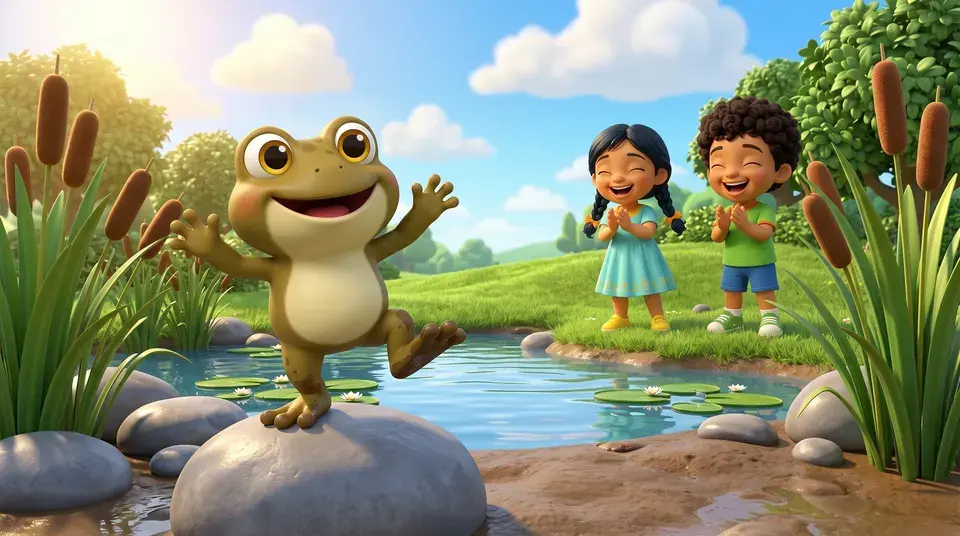 Spanish songs for learning the vowels and playing with soundsSong games for Spanish vowels, rhymes and syllables: how to play the toad’s vowel-swap song, and what research says about sounds and learning to read.
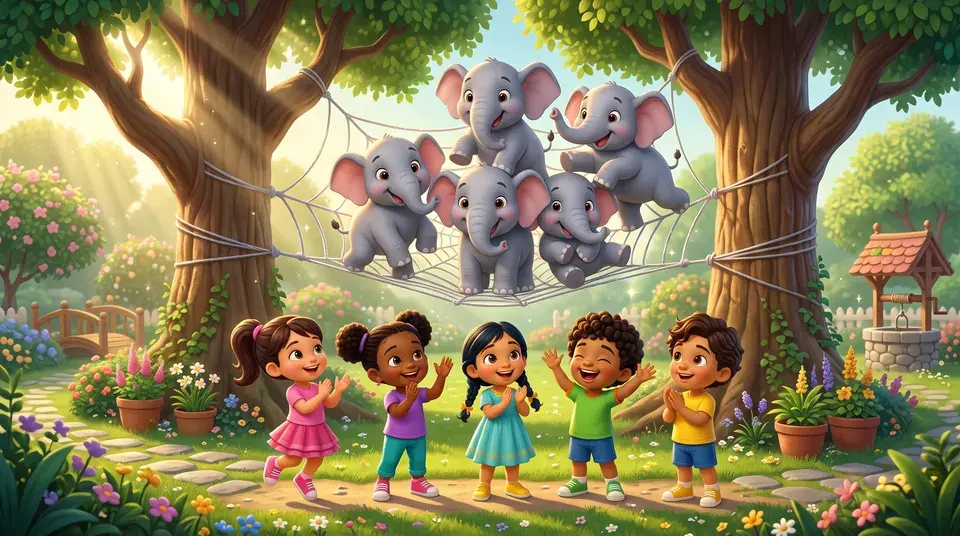 Spanish counting songs for kidsSpanish counting songs for kids, with ideas for counting on fingers and with real objects, and what research says about how children learn numbers.